
Introduction
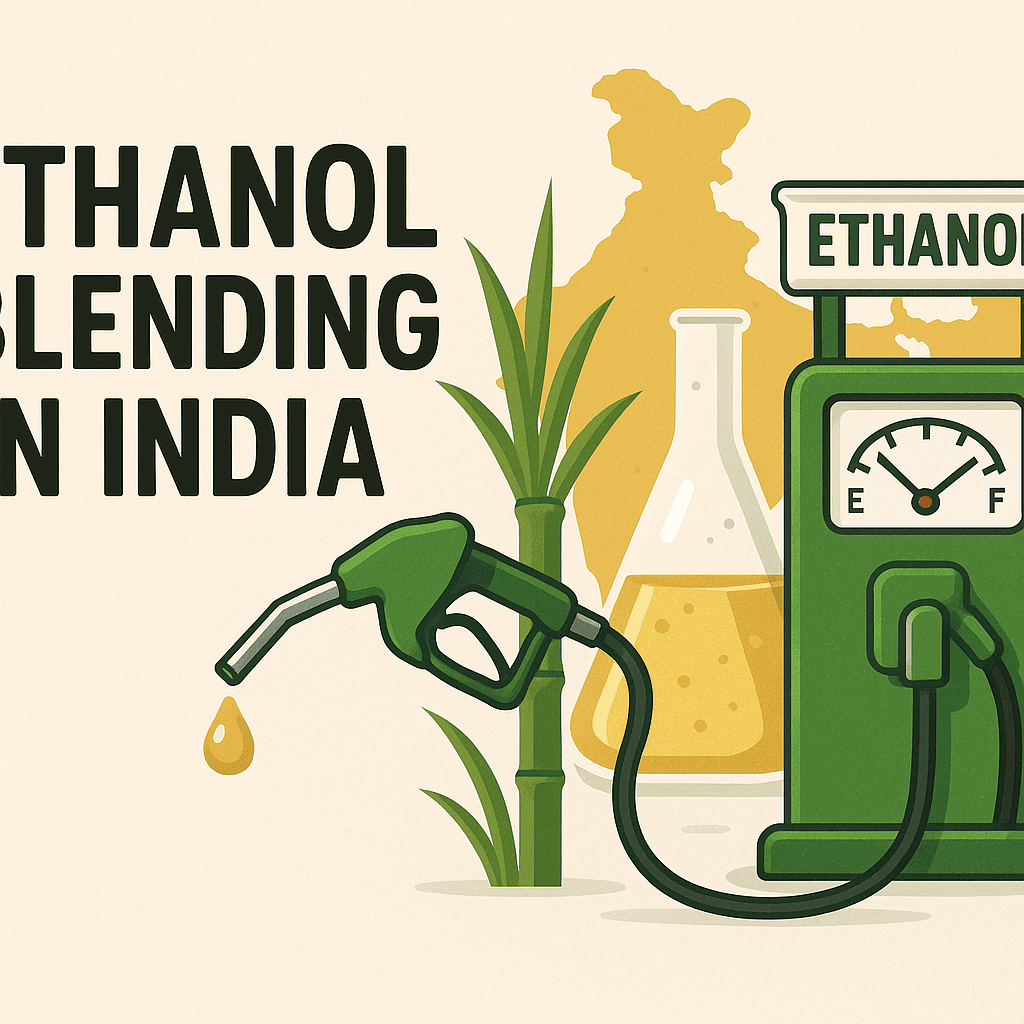
Ethanol blending in India has emerged as a critical strategy to meet the country's energy demands and environmental goals. With a focus on sustainability, this initiative not only aims to reduce dependence on fossil fuels but also promotes the use of renewable energy sources.
What is Ethanol Blending?
Ethanol blending refers to the process of mixing ethanol with gasoline to create a fuel that is more environmentally friendly. Ethanol, which is derived from biomass, serves as an alternative to traditional fossil fuels, reducing greenhouse gas emissions.
Benefits of Ethanol Blending
- Environmental Impact: Blending ethanol with gasoline significantly lowers carbon emissions.
- Energy Security: It helps in reducing the dependency on imported oil.
- Economic Growth: The production of ethanol can boost the agricultural sector by providing farmers with an additional source of income.
- Job Creation: The ethanol industry has the potential to create numerous job opportunities.
Current State of Ethanol Blending in India
As of 2023, India has set ambitious targets for ethanol blending. The National Biofuel Policy aims to achieve a blending target of 20% by 2025. Currently, the percentage of ethanol blended with petrol stands at around 10%, showing significant progress.
Government Initiatives
The Indian government has implemented various initiatives to promote ethanol blending:
- The Bharat Stage VI emission norms encourage the use of cleaner fuels.
- Incentives for sugarcane farmers to produce ethanol.
- Investment in infrastructure for ethanol production and distribution.
Challenges in Ethanol Blending
Despite the benefits, several challenges hinder the widespread adoption of ethanol blending in India:
- Supply Chain Issues: There are logistical challenges in the transportation and storage of ethanol.
- Public Awareness: Lack of awareness about the benefits of ethanol among consumers.
- Investment: Need for more investment in production facilities.
The Road Ahead
To achieve the blending targets, India must focus on:
- Enhancing the production capacity of ethanol.
- Improving public awareness and education on the benefits of ethanol blending.
- Strengthening the supply chain for better distribution.
Conclusion
Ethanol blending presents a viable solution for India's energy challenges. By continuing to invest in this initiative, India can pave the way for a sustainable energy future, benefiting both the economy and the environment.